




Safgasus®, next-generation biocatalysts for the biogas industry

The biogas industry at a crossroads of efficiency
The biogas industry stands at a critical turning point. For decades, success was measured by building new plants. Today, the challenge is different: making existing installations operate more efficiently. While global energy transition demands accelerate biogas production, operators face mounting pressure: declining subsidies, intensifying competition for feedstocks, and stricter regulations. The imperative is clear: extract more methane from the same biomass.
Every biogas plant depends on a complex microbial ecosystem, commonly referred to as “the biology” of the plant, to carry out anaerobic digestion. These microorganisms break down organic matter to produce energy, making them the driving force behind biogas production. Improving the efficiency of anaerobic digestion has therefore become the most effective way to enhance performance and profitability in existing facilities. The solution lies not in engineering alone, but in optimizing the biology.
Responding to the needs of our customers
Safgasus® Fungi: unlock the potential of fibrous materials
Hydrolysis is often the limiting factor in anaerobic digestion, particularly when processing fibrous feedstocks. These complex materials degrade slowly, constraining methane production and reducing overall efficiency. Safgasus® Fungi contains an exclusive strain of Trichoderma atroviride that colonizes organic matter and secretes a broad and complementary spectrum of enzymes particularly adapted to break down the complexity of fibrous materials. More accessible organic matter for the downstream microbial community results in increased methane production and improved overall anaerobic digestion efficiency.
Safgasus® Bacillus: dual action boosting methane production
Limited feedstock hydrolysis and methanogenesis are known to be key limiting factors for anaerobic digestion efficiency. Safgasus® Bacillus combines proprietary and complementary Bacillus strains that simultaneously accelerate feedstock degradation through production of a broad range of hydrolytic enzymes acting on a large variety of feedstocks and support methanogenesis through strong microbial synergies with methanogenic archaea. Boosted hydrolysis and methanogenesis improve feedstock conversion efficiency and result in better biogas plant performance and profitability.
Safgasus® Live Yeast: protect methanogenesis for resilient methane production
Volatile fatty acids are a double-edged sword. As the result of intense hydrolysis, their production is a good start for methane production, but their accumulation is a common cause of anaerobic digestion instability, inhibiting methane production and reducing process resilience. Safgasus® Live Yeast contains a proprietary strain of Saccharomyces cerevisiae selected for its resistance in harsh digester conditions. The fermentative activity of Safgasus® Live Yeast protects methanogenesis by limiting the accumulation of inhibitory volatile fatty acids in the digester and generates valuable substrates accelerating methanogenesis. This targeted approach results in improved process stability and increased biogas plant performance.
170 years of fermentation expertise to master anaerobic digestion
Bioaugmentation offers a targeted approach: introducing carefully selected microorganisms that strengthen key biological functions within the digester. Rather than replacing the native microbiome, these microorganisms complement it, enhancing anaerobic digestion efficiency through targeted metabolic activities and strengthened microbial cooperation. This strategy is a cornerstone for improving substrate degradation, process stability, and methane yield.
Drawing on more than 170 years of expertise in fermentation and microbial solutions, Phileo by Lesaffre has developed Safgasus®, a portfolio of proprietary biocatalysts specifically designed for the biogas industry. Each solution targets distinct biological challenges or bottlenecks, strengthening digester biology to deliver measurable improvements in methane production and process resilience.
Innovative, science-backed and validated solutions
Safgasus® has been developed through a rigorous microbiology pipeline to provide evidence-based and reliable solutions for the biogas industry.
Safgasus® solutions were selected from a bank of 20,000 proprietary natural strains of filamentous fungi, bacteria and yeast to identify those with specific capabilities for improving anaerobic digestion efficiency. Through microbiology, metagenomics, and bioinformatics, modes of action were characterized to fully understand the power of these bioaugmentation solutions.
Each solution has undergone a rigorous three-phase validation process to ensure reliable performance: tested in reference batch systems, validated in continuous-flow reactors, and confirmed under full-scale commercial conditions. This pathway, from laboratory testing to field validation, ensures Safgasus® answers customer needs and delivers tangible benefits to the biogas industry.
Real-world results: profitable intervention on commercial biogas plants
The scientific validation of Safgasus® extends to biogas production profitability. Commercial biogas plants across Europe have demonstrated measurable improvements in operational performance and profitability.
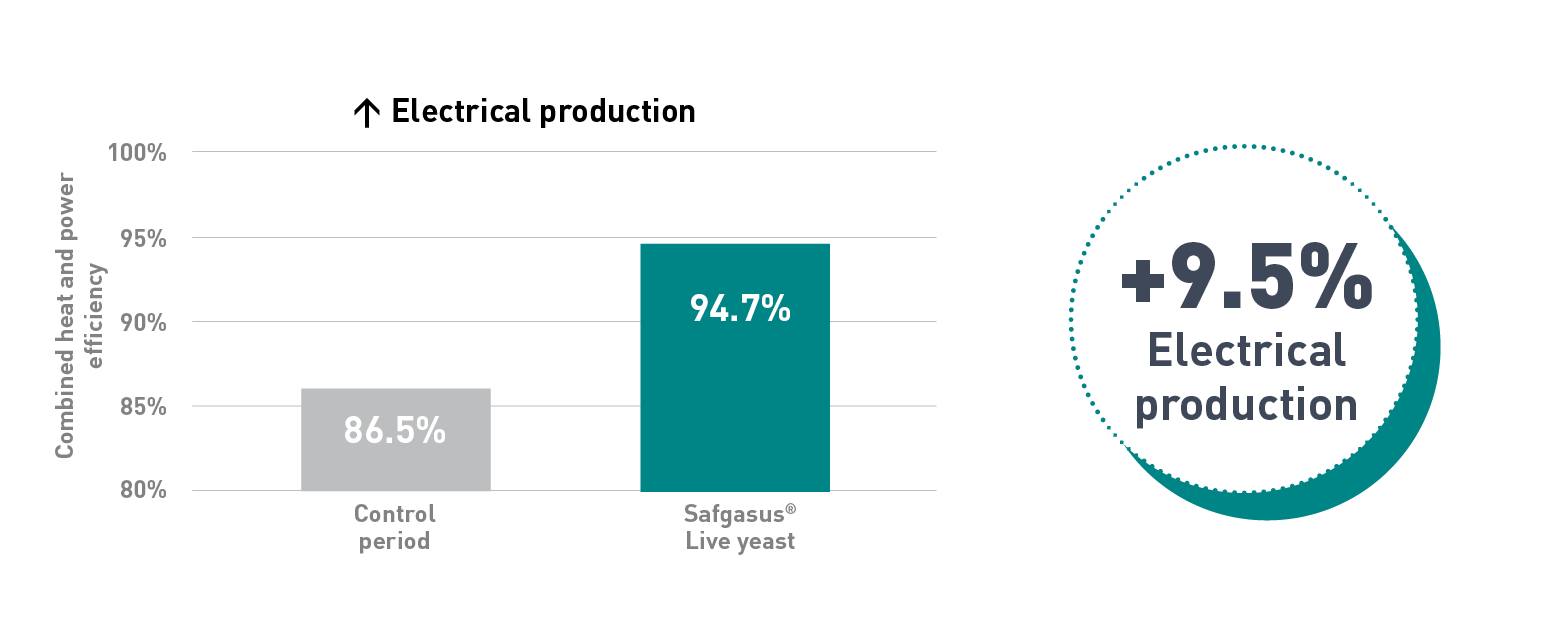
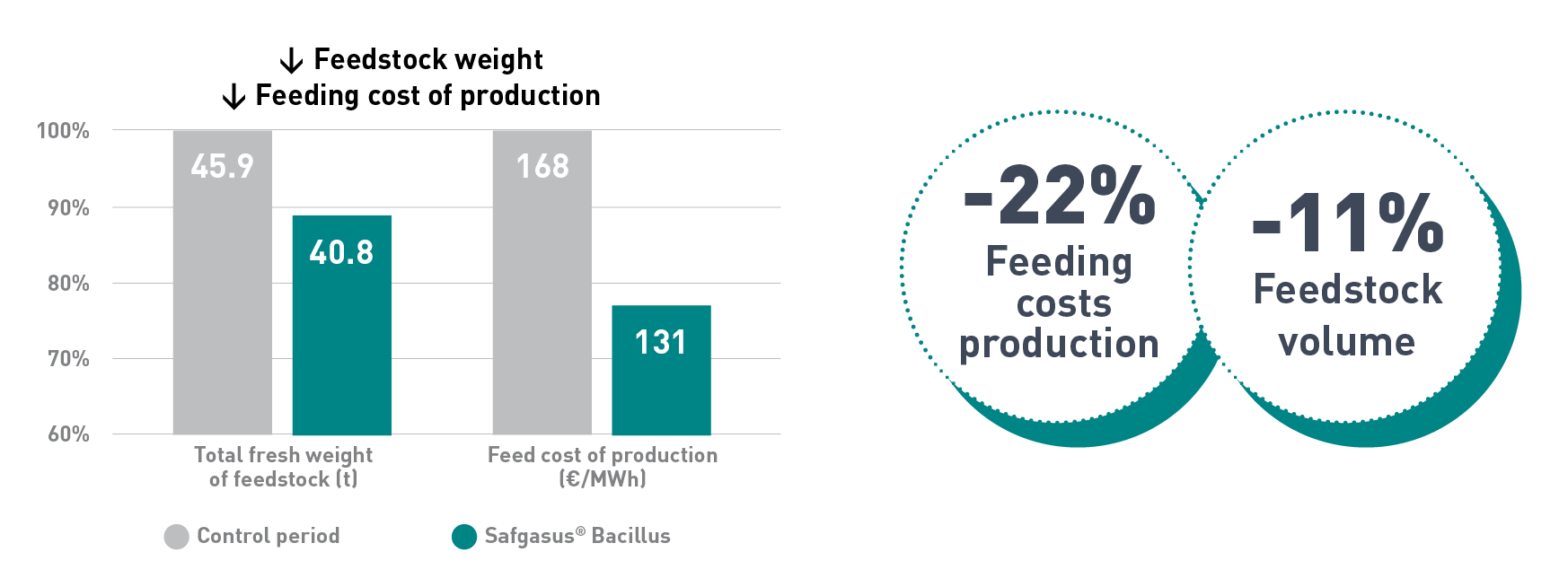
On a biogas plant aiming at increasing electrical production from the same feedstock, Safgasus® consistently raised electricity production by 9.5%, enabling the facility to exceed its 90% efficiency contractual target. On another installation, Safgasus® helped reduce feedstock costs by 22% of production while maintaining stable electricity output. Safgasus® delivered a return on investment of 5.5 to 6.5:1.
These results confirm that improving anaerobic digestion efficiency translates directly into tangible business benefits: higher energy output, lower production costs, and enhanced process stability. Safgasus® enables operators to maximize the value of biogas production.
The Safgasus® range
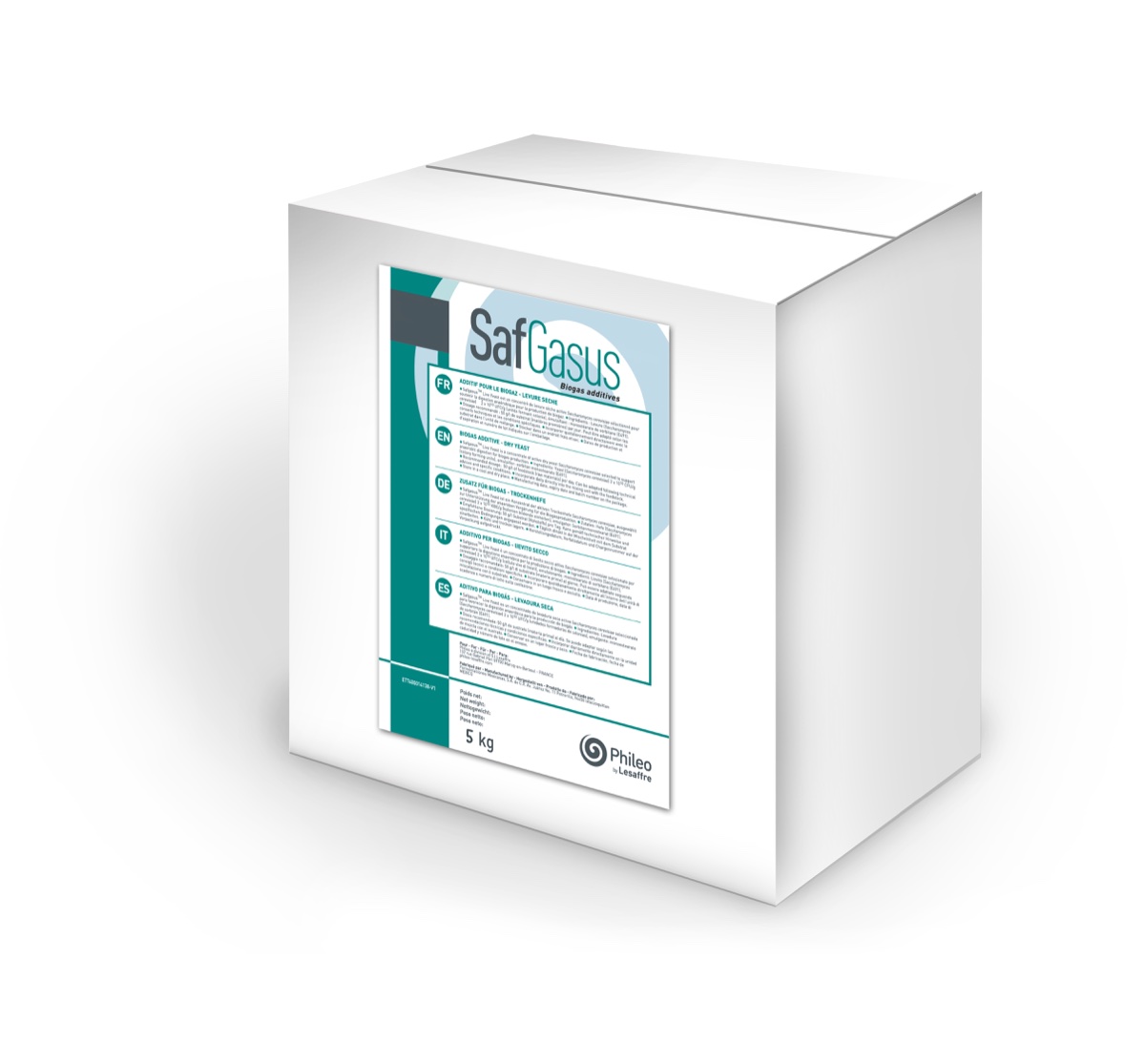
Safgasus® Fungi
Packaging
- 20 aluminum bags of 250 g in a 5 kg cardboard box
Shelf life
Safgasus® Fungi offers a shelf life of 9 months from production date, provided product remains in original packaging
Dosage
Safgasus® Fungi is supplied in pre-dosed bags, each designed to treat approximately 50 tonnes of fresh feedstock.
Please reach out to our Phileo experts here
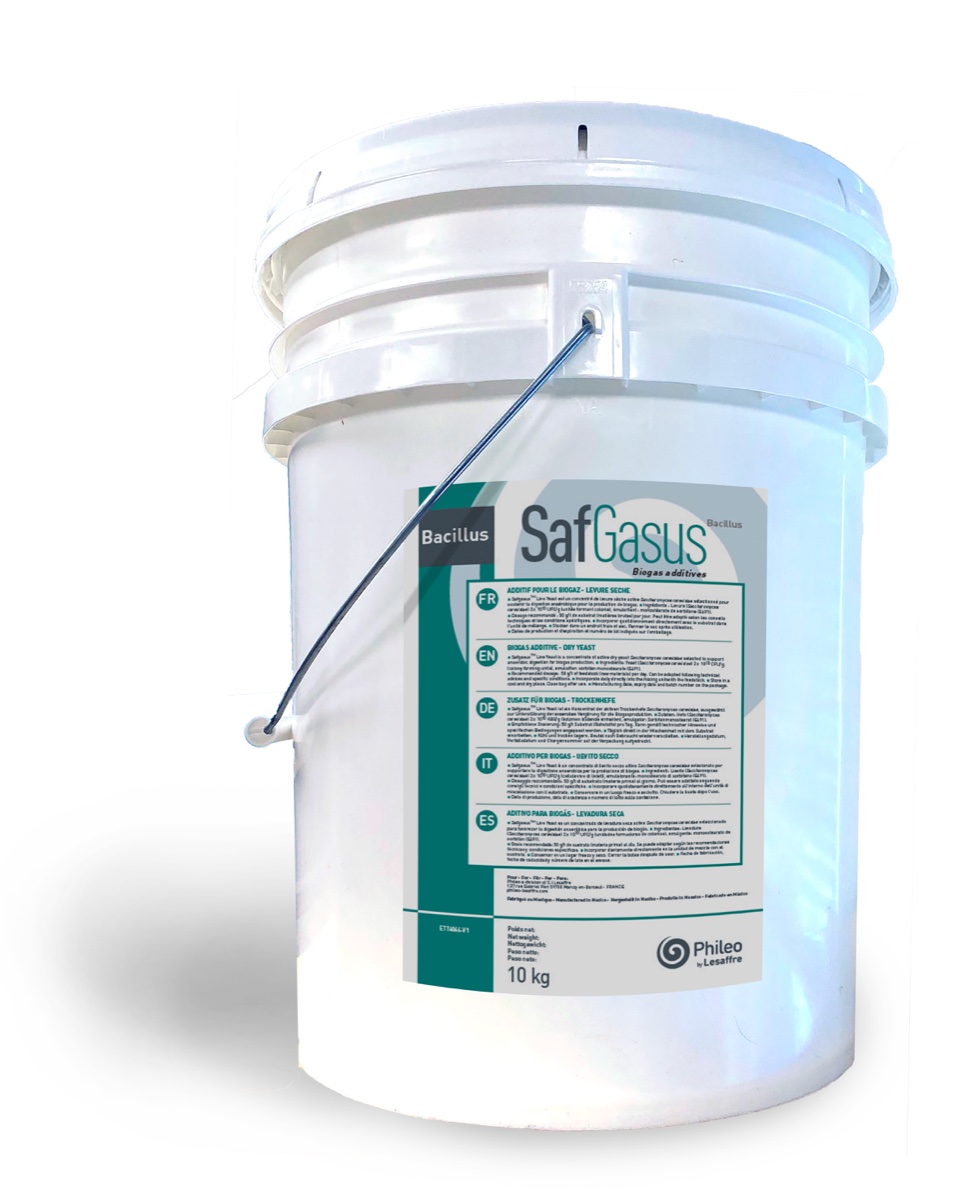
Safgasus® Bacillus
Packaging
- 20 hydrosoluble bags of 500 g in a 10 kg plastic pail
Shelf life
Safgasus® Bacillus offers a shelf life of 12 months from production date, provided product remains in original packaging
Dosage
Safgasus® Bacillus is supplied in pre-dosed, water-soluble bags, each designed to treat approximately 50 tonnes of fresh feedstock.
Please reach out to our Phileo experts here
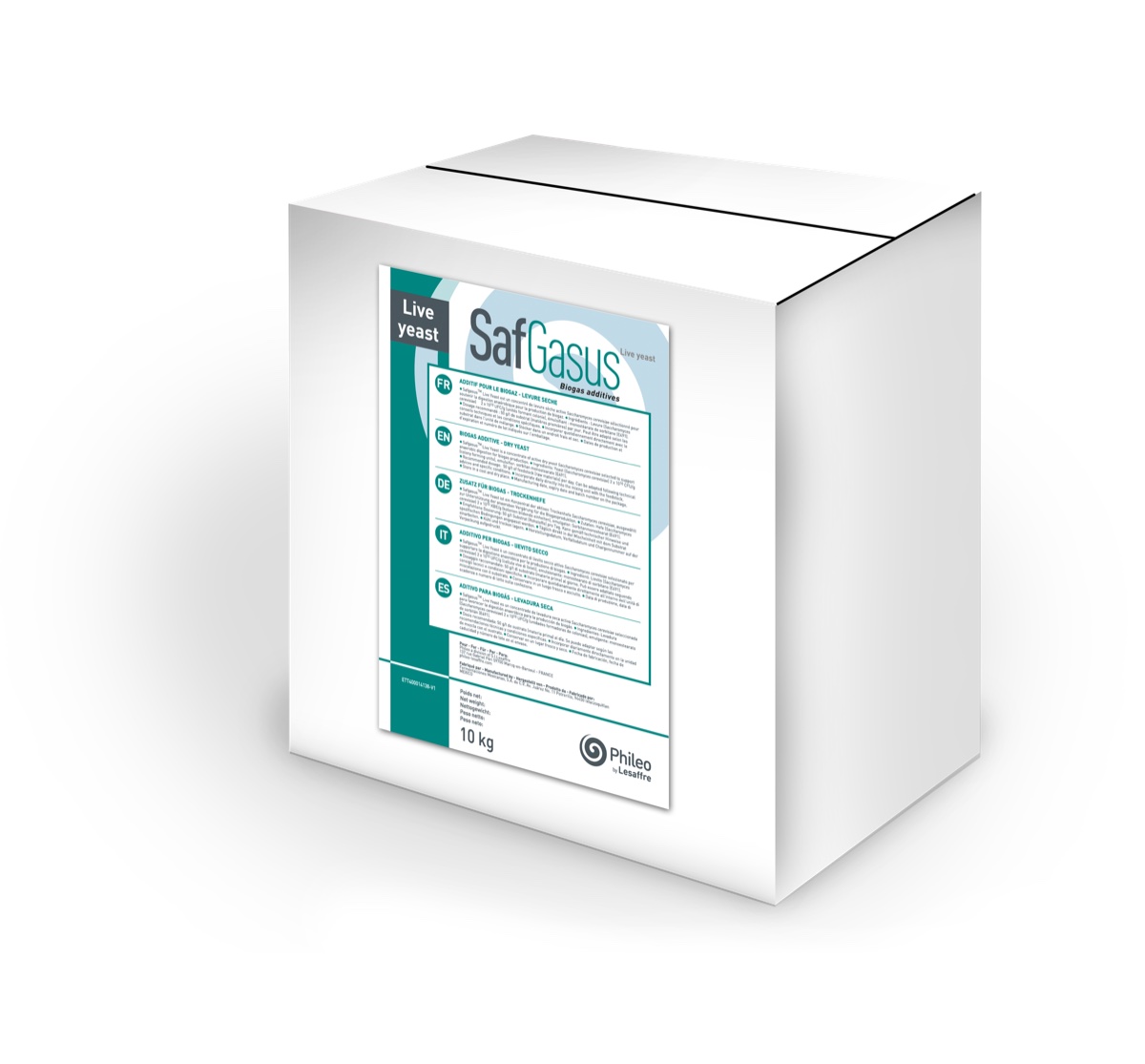
Safgasus® Live Yeast
Packaging
- 10 kg laminated vacuum bag in a cardboard box
Shelf life
Safgasus® Live Yeast offers a shelf life of 24 months from production date, provided product remains in original packaging
Dosage
Please reach out to our Phileo experts here
Download
your whitebook
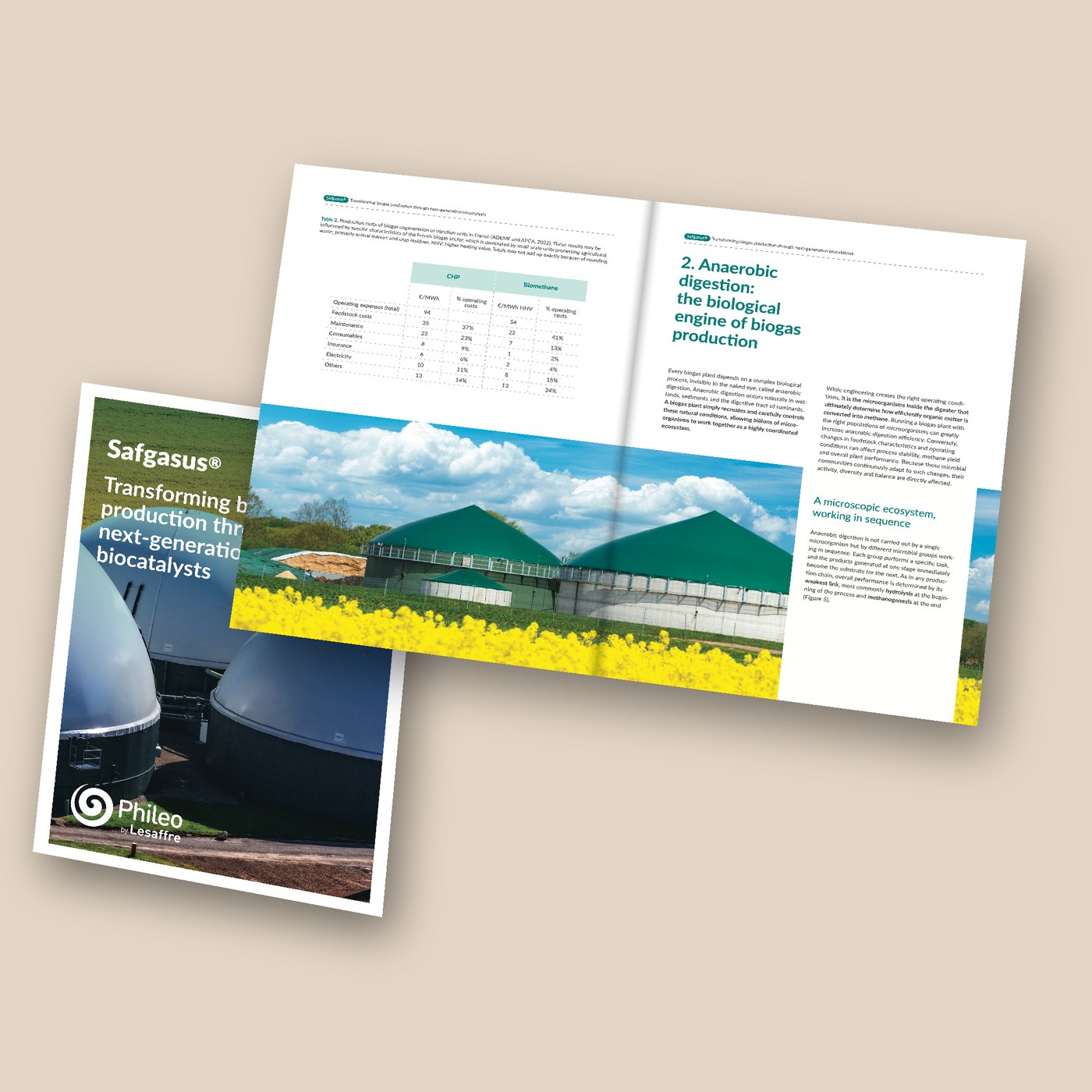
Transforming biogas production through next-generation biocatalysts
Download our expert booklet to unlock the secrets of building an efficient biogas plant biology.
The information provided on this website is to the best of our knowledge, true and accurate. Not all products are available in all regions nor are the associated intended uses and/or claims the same in all regions. Products must only be used in compliance with local laws and regulations and we cannot guarantee freedom for every intended use or country.
Subscribe to
our Newsletter
